
Introduction
Bakuchi (Psoralea corylifolia) is a plant known for its medicinal value and grown in different parts of the world with tropical and sub-tropical climatic conditions. While Bakuchi or Babchi is its trade name, the plant is called by various names in India. These are:
- Babchi or Bavanchi in Hindi
- Anindavi, Kamboji or Avalguja in Sanskrit
- Baukuchi in Kannada
- Bhavanji in Telugu
- Bavachi in Gujarati
- Bavachya in Marathi
- Karkokil in Malayalam
- Karpokarisi in Tamil
- Babechi in Urdu.
The plant is used in traditional medicine to prepare medicines for various illnesses. It can be consumed or applied superficially for managing skin conditions. Its roots, leaves, stems and seeds are useful to prepare medications for skin diseases, and has been used commonly in ayurveda for management of leprosy (that is why it is called ‘Kushtanashini’ or leprosy destroyer). Not just ayurveda, Bakuchi is also an important component used in Korean and Chinese medicine1.
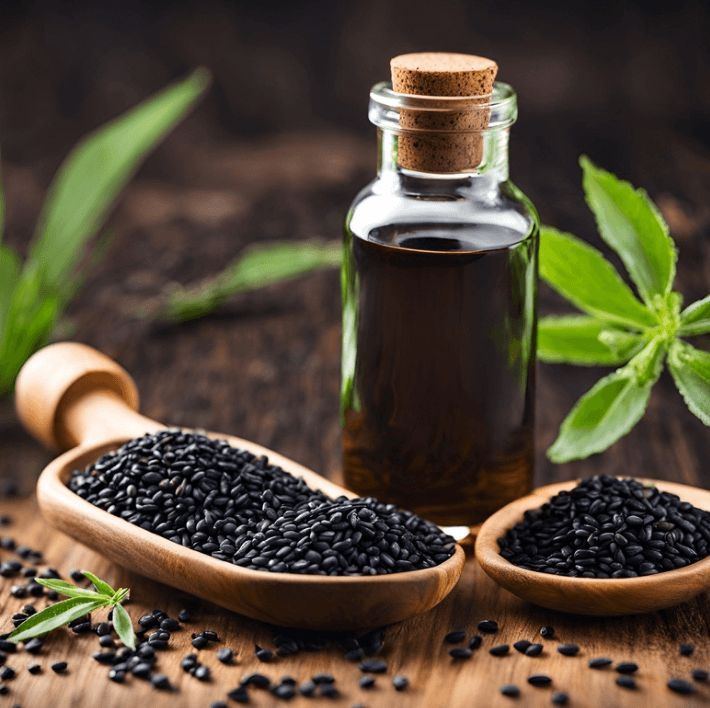
In this blog, we will discuss in detail about the proposed therapeutic properties and benefits of Bakuchi. We will also explore how it is used and the potential side effects it may have.
Uses of Bakuchi in Traditional Medicine
Some effects of Bakuchi that make it a suitable candidate to prepare ayurvedic medications include:
- The antibacterial property of the plant is beneficial for skin diseases caused due to Staphylococcus aureus, S. epidermis and even leprosy2.
- Anti-inflammatory effect of Bakuchi is beneficial for skin ailments like leukoderma and dermatitis3. This also makes it helpful to manage respiratory illnesses like asthma and cough4.
- The plant’s seeds can be used as an antidote to snake venom and scorpion sting due to its anticoagulant effect4.
- The other property of the plant is its positive effect on reproductive health. It has estrogenic properties and can also act as an aphrodisiac5,6.
- The bone forming property of the plant is helpful to manage bone disorders7.
- Animal studies have shown that the plant has hepatoprotective properties useful in managing fatty liver disorder8.
- The plant also has anti-tumor properties, which inhibit the multiplication of certain types of cancer cells as per some animal studies9.
- In another animal study, its seed extracts showed antihelminthic properties against Ascaridia galli, an intestinal parasite of poultry10.
- The plant has demonstrated neuroprotective activity and thus can help manage nerve degeneration diseases like Alzheimers11.
- The plant also has antioxidant, analgesic, antidiabetic and antidiarrheal activity12.
There are several applications of Bakuchi in ayurveda, and initial research has also shown its health beneficial properties. Yet further large-scale human trials are needed to corroborate these findings.
Top 5 Benefits of Bakuchi
Although Bakuchi has been used for several purposes, here are its five important benefits:
1. Benefits of Bakuchi for Skin Diseases
- Bakuchi seeds have been used to deal with various skin diseases. It is commonly used to manage leucoderma, a condition of discolouration of the skin3.
- Bakuchi can be used for managing psoriasis and itching associated with the condition4.
- Bakuchi can also be consumed to deal with leprosy6.
- The oil from the seeds is used to deal with Tinea versicolor, scabies and ringworm12.
2. Anti-cancer Activity of Bakuchi
- Bakuchi extract is found to be effective in destroying cancer cells of osteosarcoma and breast cancer7,11.
3. Benefits of Bakuchi for Dental & Bone Disorders
- The extract from the roots of the Bakuchi plant can manage various dental disorders like dental carries.
- In addition to this, it is beneficial for dealing with osteoporosis and bone fractures as it can boost bone calcification7.
4. Benefits of Bakuchi for Reproductive & Urinary Problems
- Bakuchi extracts are used as an aphrodisiac. It is also used to treat incontinence in men, frequent urination, premature ejaculation and impotence.
- The seed extract helps to soothe the symptoms of abnormal uterine bleeding and menstrual disorders in women5,6.
5. Benefits of Bakuchi for Gastrointestinal Disorders
- The powder from the seed extract is used to relieve the symptoms of constipation, manage parasitic intestinal infections, and improve appetite.
- The leaves can be used to make medicines to manage diarrhoea, and fruits are good to deal with piles and nausea6,12.
While there are several health benefits of Bakuchi, consuming in moderation is key. Discuss with your doctor before including this in your routine, especially of you have any medical conditions.
How to Use Bakuchi?
The Bakuchi plant is used to manage different kinds of diseases. For some conditions like skin infections or chronic skin diseases, it can be mixed along with agents like karanji oil or buttermilk and applied. For others, it can be consumed systemically.
- Your Ayurvedic physician will prescribe you the right form and dosage as per your health condition.
Side Effects of Bakuchi
Bakuchi should not be used undiluted and in high doses; otherwise, it may cause the following side effects13:
- Allergies
- Rashes
- Skin discolouration
- Hyperacidity
- Gastritis
- Irritation or burning sensation on the skin
- Hepatotoxicity
- Rapid breathing
- Blurred vision
- Dizziness
- Malaise
- Nausea
- Vomiting
Some of the other side effects are:
- In case of severe overdose – loss of consciousness and even coma
- Renal complications
- Loose motions
- Sleeplessness
- Prolonged use may affect eyes, liver and immune system
Children, pregnant women and nursing mothers should not consume Bakuchi without a doctor’s supervision.
Conclusion
Bakuchi is a powerful herb that has several potential health benefits and supports overall wellness. However, it’s best to use it with proper guidance to avoid any side effects. Consult an ayurvedic practitioner for the right form and dose. With careful use, Bakuchi can be a great natural remedy.